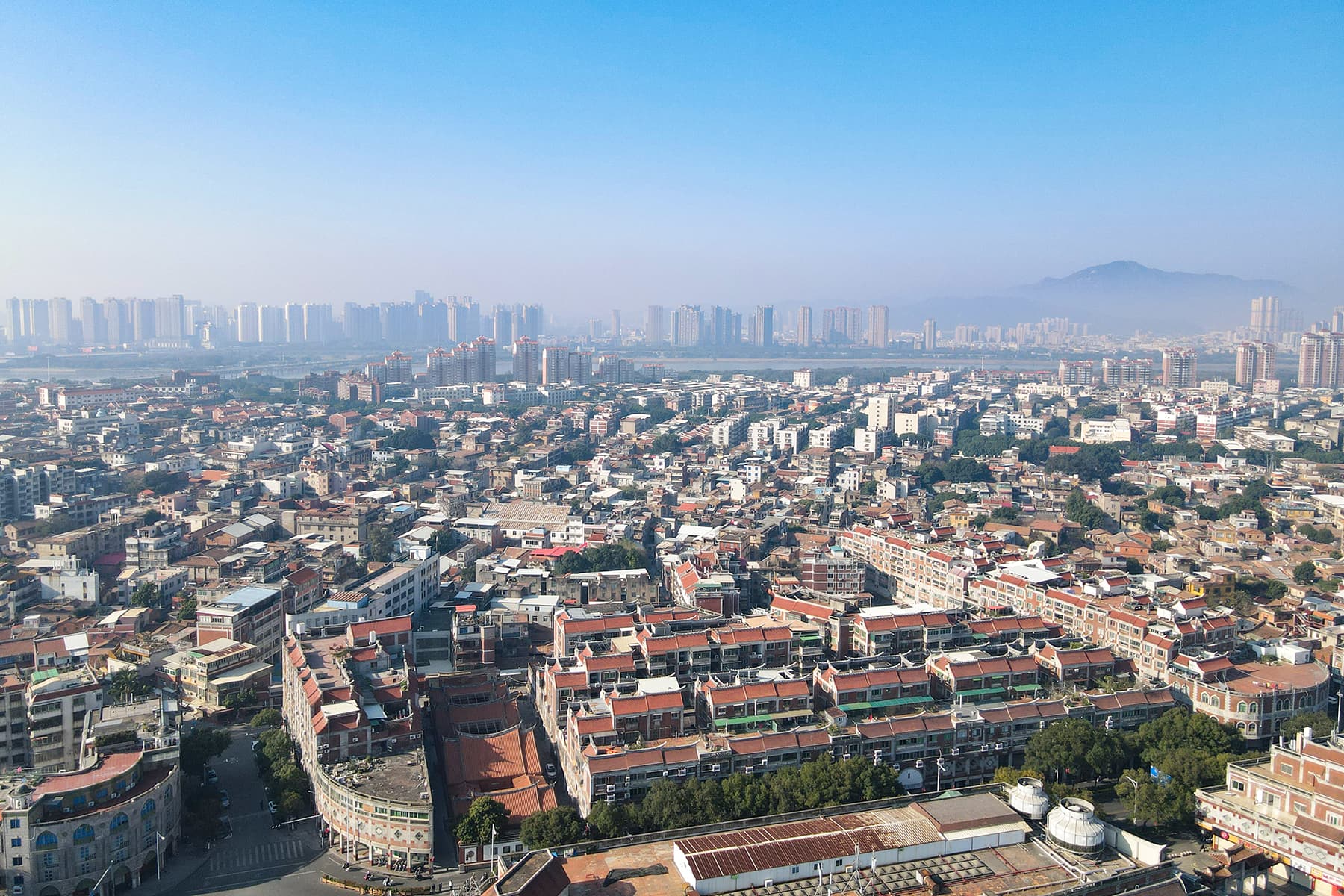
To speak about artificial intelligence from Quanzhou is to speak about something already embedded in everyday systems, not a distant technological future.
In the public imagination, AI is often encountered through an interface: a chatbot, a generated image, a new software tool. In Quanzhou, another encounter is increasingly visible. AI enters through manufacturing lines, logistics, production dashboards, quality control and the continuous optimisation of industrial processes. It becomes part of how materials move, how factories are managed and how decisions are made.
This matters because Quanzhou is not a city where industry sits at the edge of cultural life. Manufacturing is one of the structures through which the region has been built. Textile and footwear, stone, ceramics, sanitary ware and other industrial clusters are woven into the social geography of the city and its surrounding counties. In 2025, Quanzhou formally listed “AI + manufacturing” and intelligent robotics among its priority industrial chains, while local programmes were already pushing traditional industries toward digital and intelligent production.
The question is no longer whether AI will enter culture, but how cultural institutions respond to societies already being reorganised by automation.
01 — AI is already local
The language of technological change often arrives from elsewhere: Silicon Valley, Shenzhen, research laboratories, global platforms. Yet its consequences are always territorial. A model may be developed in one place and reorganise work in another. A software update can alter the rhythm of a production line, the skills expected from workers, the role of managers, and the visibility of labour itself.
Quanzhou offers a particularly dense site from which to observe this transition. The city government has promoted an “AI+” approach to industrial upgrading, and local cases already include AI systems used for real-time production analysis, fault diagnosis and flexible manufacturing. These are not simply stories of efficiency. They also produce new relations between human judgement, machine prediction, accumulated industrial knowledge and data.
For contemporary art, this creates a field of inquiry far broader than the image-generating machine. The factory, the warehouse, the family business, the supply chain and the interface become cultural forms. They carry desires, anxieties, forms of discipline and forms of imagination. AI therefore enters artistic research not only as a medium, but as an infrastructure that reorganises the conditions in which life is lived.
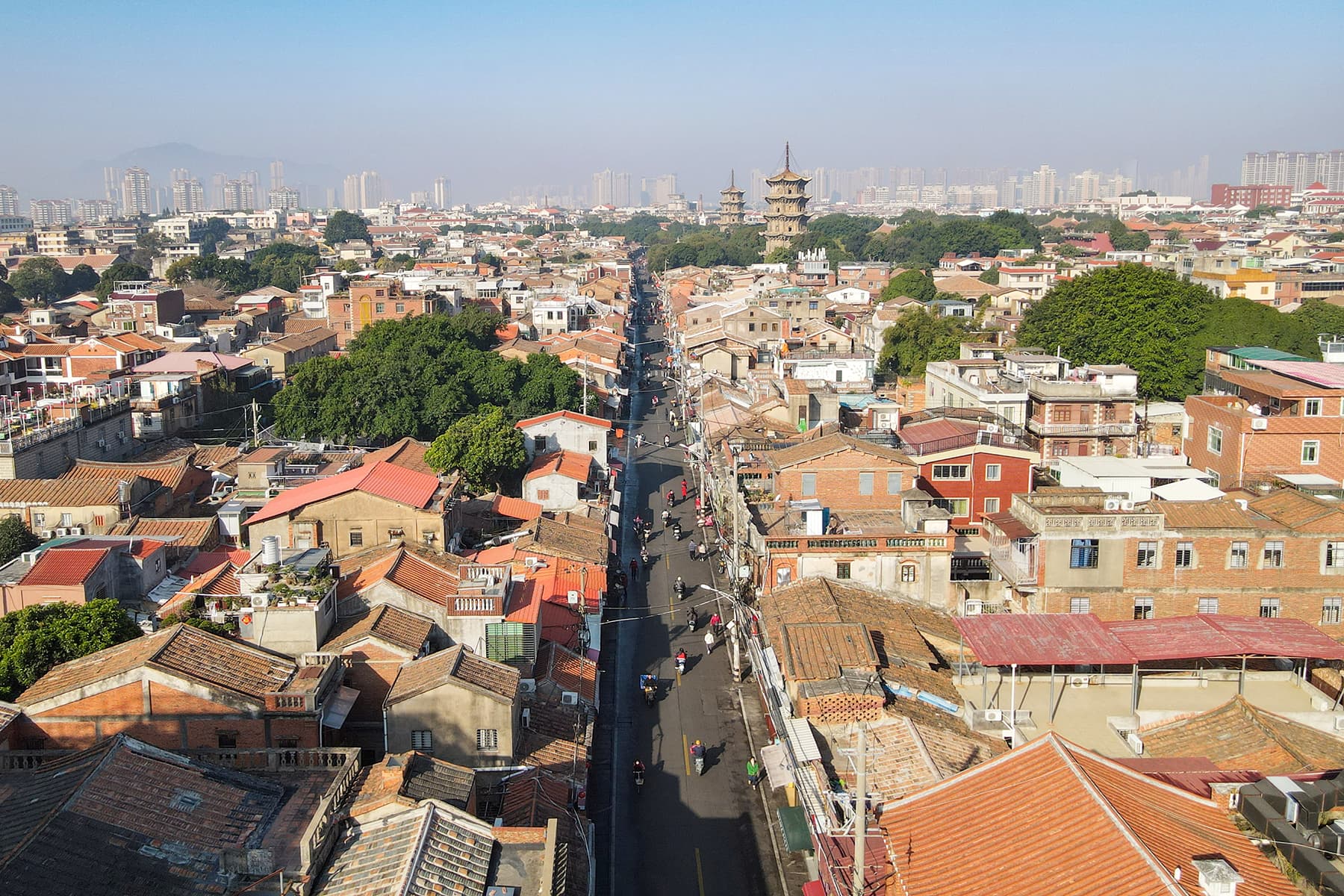
02 — Industrial transformation is social transformation
Automation is frequently narrated as a technical substitution: one machine replaces one task. The transformation is less linear in reality. As factories become more automated, work does not simply disappear; it changes position. Attention moves toward monitoring, maintenance, coordination, data interpretation and exception handling. Knowledge that once circulated through bodies and routines is progressively translated into systems, dashboards and models.
In a region shaped by private enterprise, family networks and specialised manufacturing clusters, these shifts reach beyond the factory floor. They affect how younger generations imagine work, how local businesses understand succession, how expertise is valued and how a city narrates its own modernity. The social effects are uneven and still unfolding. Precisely for this reason, they demand spaces where technological transformation can be observed without being reduced either to celebration or catastrophe.
Art can become one of those spaces. Not because artists are expected to explain technology, but because artistic practice can remain with ambiguity: with the strange coexistence of speed and repetition, autonomy and control, absence and density, inherited knowledge and machine learning.
03 — Returning is not going backwards
Alongside industrial transformation, another movement is important to ZSAN: the circulation of artists who grew up in Fujian or southern China, studied in other countries, and later return, temporarily or permanently, to work again from the region.
“Return” can be a misleading word. It suggests a reversal, as if leaving and coming back restored an earlier position. But artists who study in Paris, London, New York or elsewhere return with altered methods, references and professional networks. The local they encounter has changed too. A return therefore produces a third position: neither simply international nor simply local.
This position can be productive. It allows an artist to recognise things that were once too familiar to be seen, while also resisting the exoticisation that often accompanies an external gaze. Industrial landscapes, religious practices, family histories, migration, vernacular materials and new technologies can enter artistic work without becoming illustrations of “Chinese identity”. They can instead become situated ways of thinking through contemporary conditions.
ZSAN is interested in this circulation not as a programme of cultural repatriation, but as a form of distributed knowledge. What has been learned elsewhere can be tested here; what is encountered here can travel again. The point is not to close the loop, but to create more routes.
04 — Decentralisation is not relocation
Contemporary art remains strongly organised around a small number of cities. Institutions, galleries, schools, capital, criticism and professional visibility accumulate in recognisable centres. To speak about decentralisation is therefore not to pretend that these asymmetries have disappeared.
Nor does decentralisation mean building a smaller version of the centre somewhere else. If every new institution simply reproduces the same exhibition formats, hierarchies and routes of validation, geography changes while the system remains intact.
For ZSAN, the more interesting possibility is the node rather than the new centre. A node has value because of the routes it can activate: between Quanzhou and Paris, Fujian and Southeast Asia, manufacturing and artistic research, local histories and transnational practices. Its strength lies not in replacing an existing centre, but in making connections that the centre does not naturally produce.
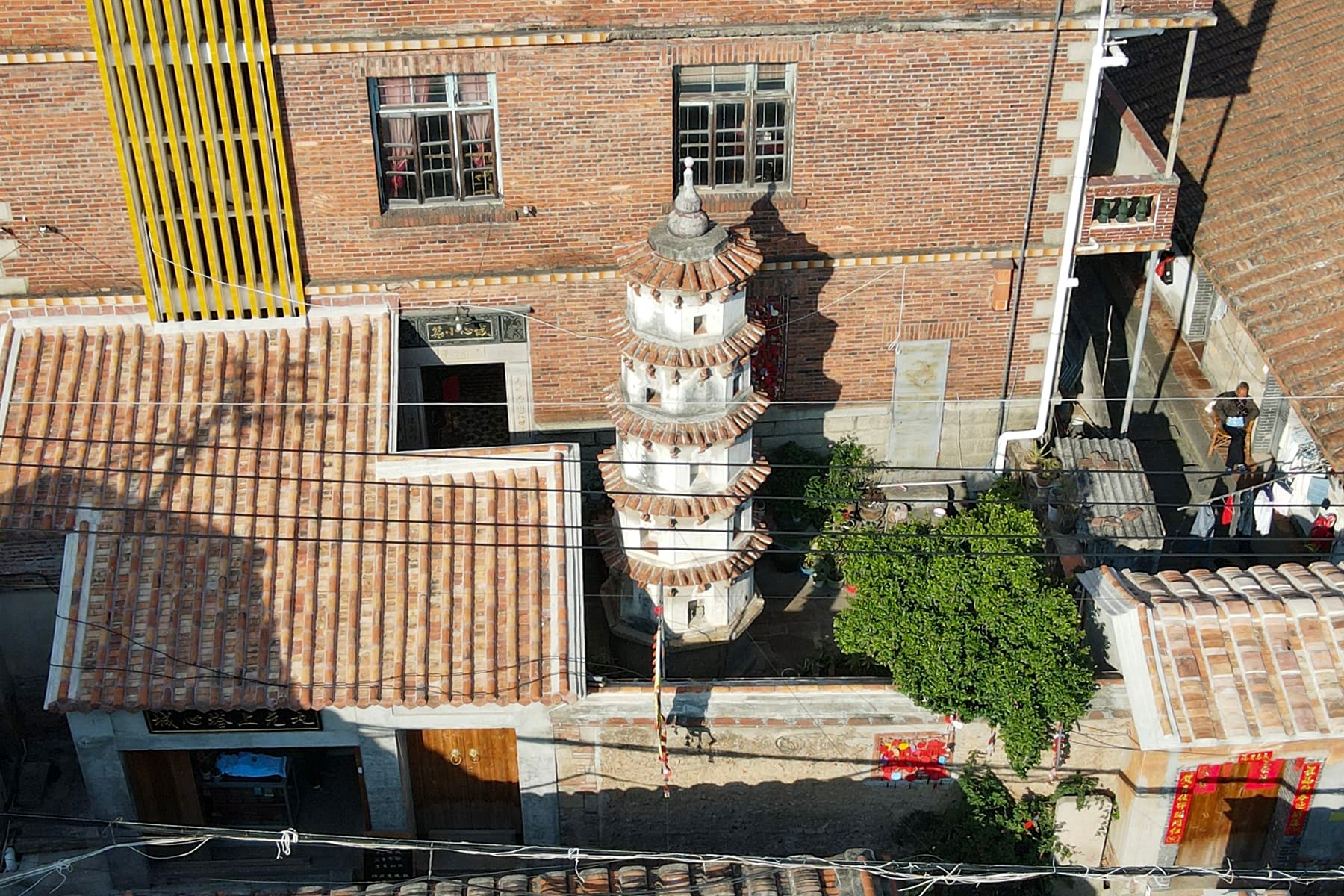
Quanzhou is particularly suggestive in this regard. UNESCO describes Song–Yuan Quanzhou as a maritime emporium whose historical structure integrated production, transport, commerce and cultural exchange. The city known internationally as Zayton was never meaningful because it was isolated; it mattered because it was connected.
That history should not become a romantic template for the present. But it offers a useful proposition: a place can be deeply local and radically networked at the same time.
05 — From Zayton, after the center
The future of contemporary art may not be defined by the disappearance of centres. More likely, it will depend on whether new cultural routes can grow between places that have too often been described only as peripheries.
From Quanzhou, AI, industrial transformation, migration and artistic return are not separate subjects. They overlap in the same social landscape. A factory becoming intelligent, an artist returning after years abroad, an institution connecting a local context to an international network: each raises a version of the same question. How do we inhabit transformation without allowing a single centre — technological, economic or cultural — to determine what the future should look like?
ZSAN begins from this question. Not by claiming Quanzhou as the next centre, but by treating it as a place from which contemporary art can think, produce and connect differently.
To look south is not to turn away from the world. It is to redraw the routes through which the world is encountered.