01
Quanzhou · From Zayton to the world
A City Looking South
24.87° N
118.68° E
02
Zayton
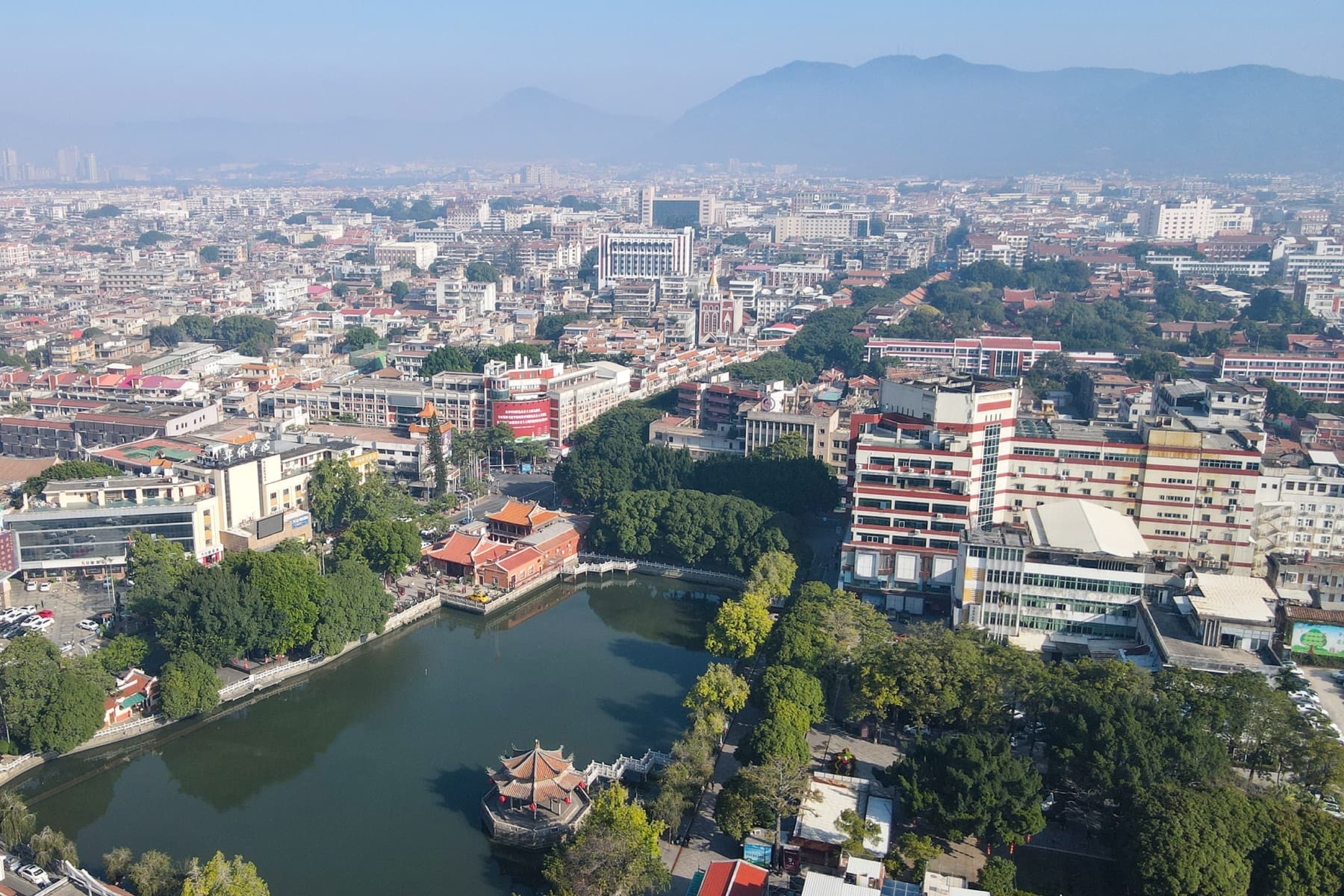
Zayton South Art Nexus is rooted in Quanzhou, a historic port city shaped by centuries of movement between China, Southeast Asia, the Middle East and Europe.
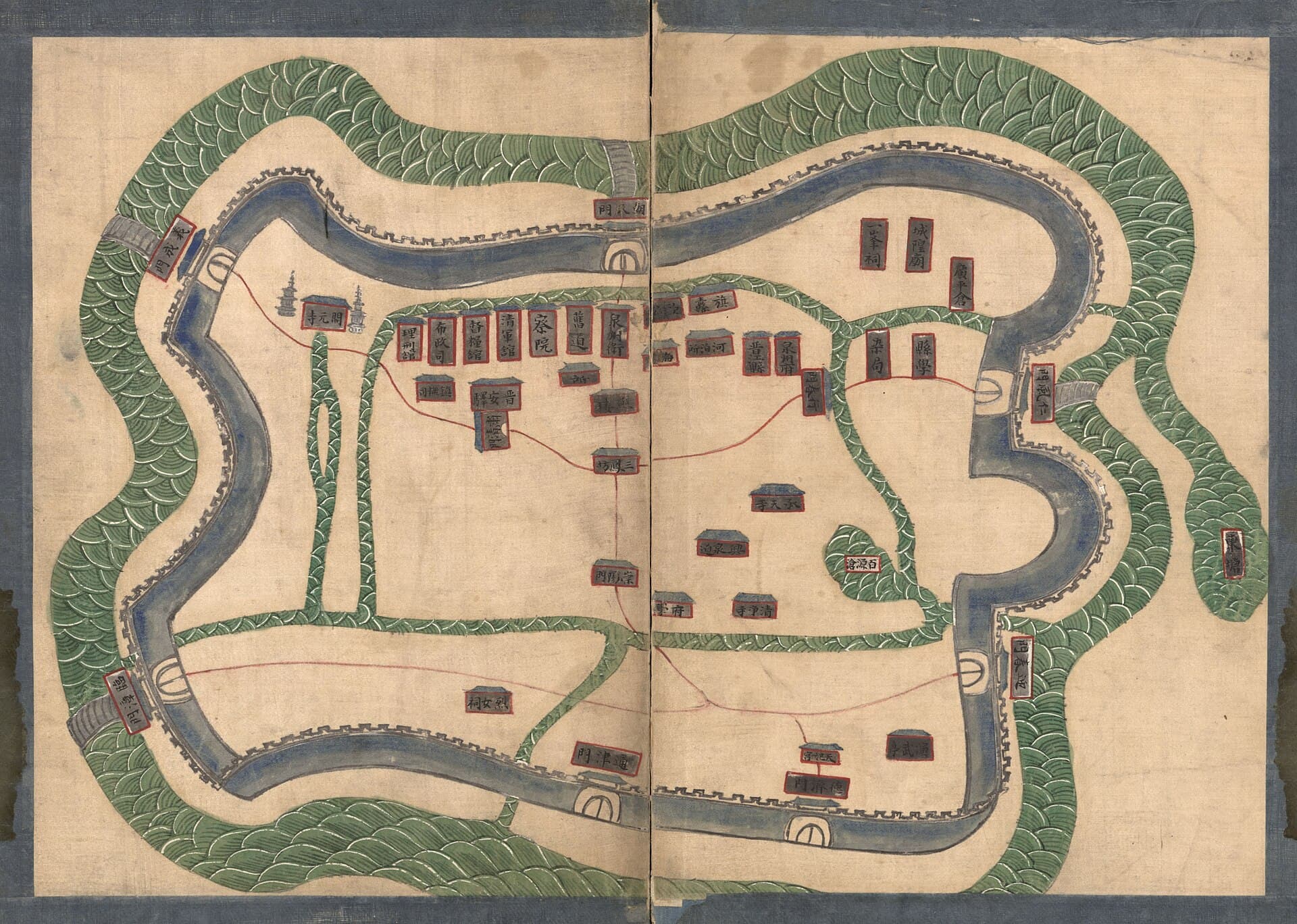
QUANZHOU MAP / LIBRARY OF CONGRESS / PUBLIC DOMAIN
03
Port / Movement / Encounter
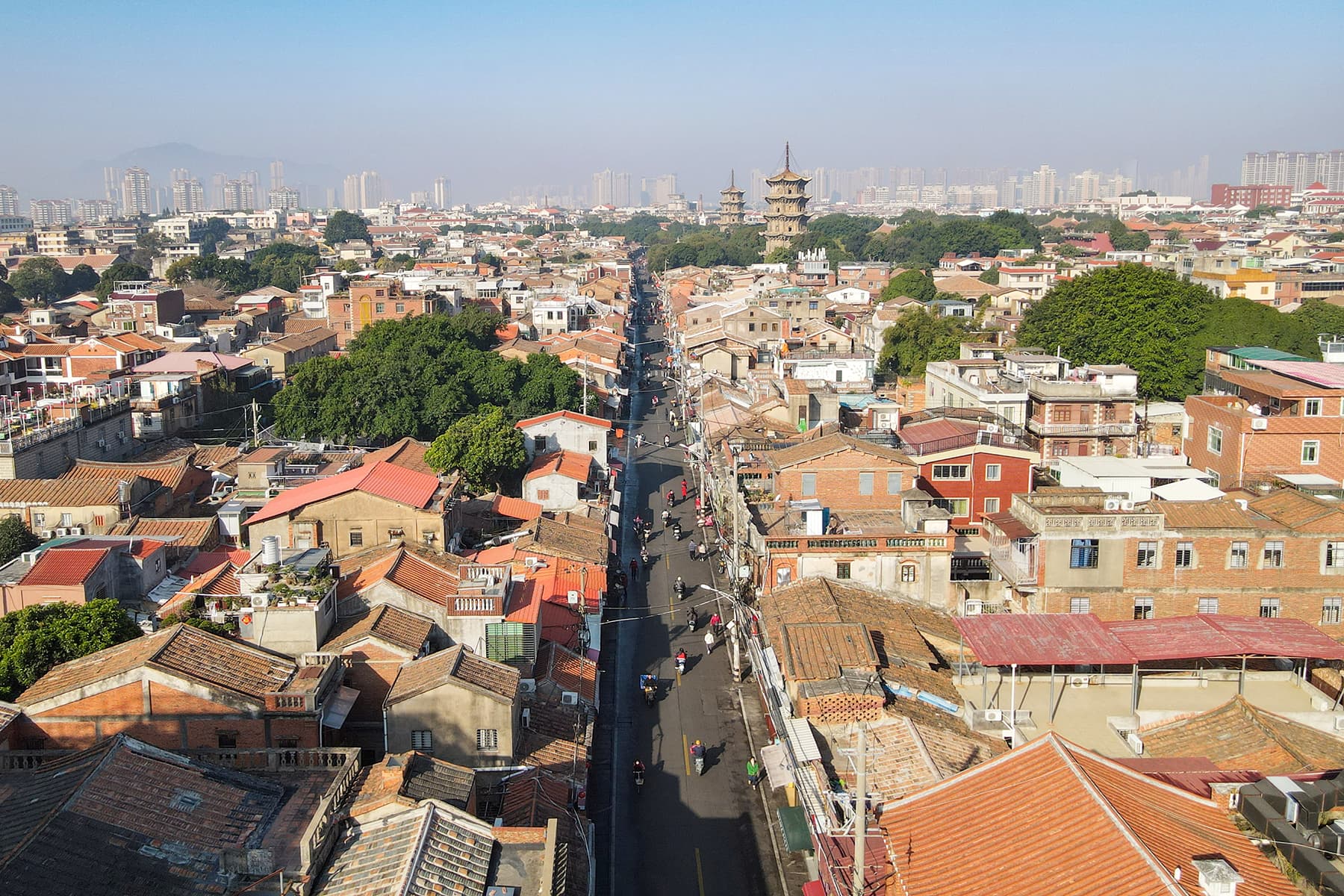
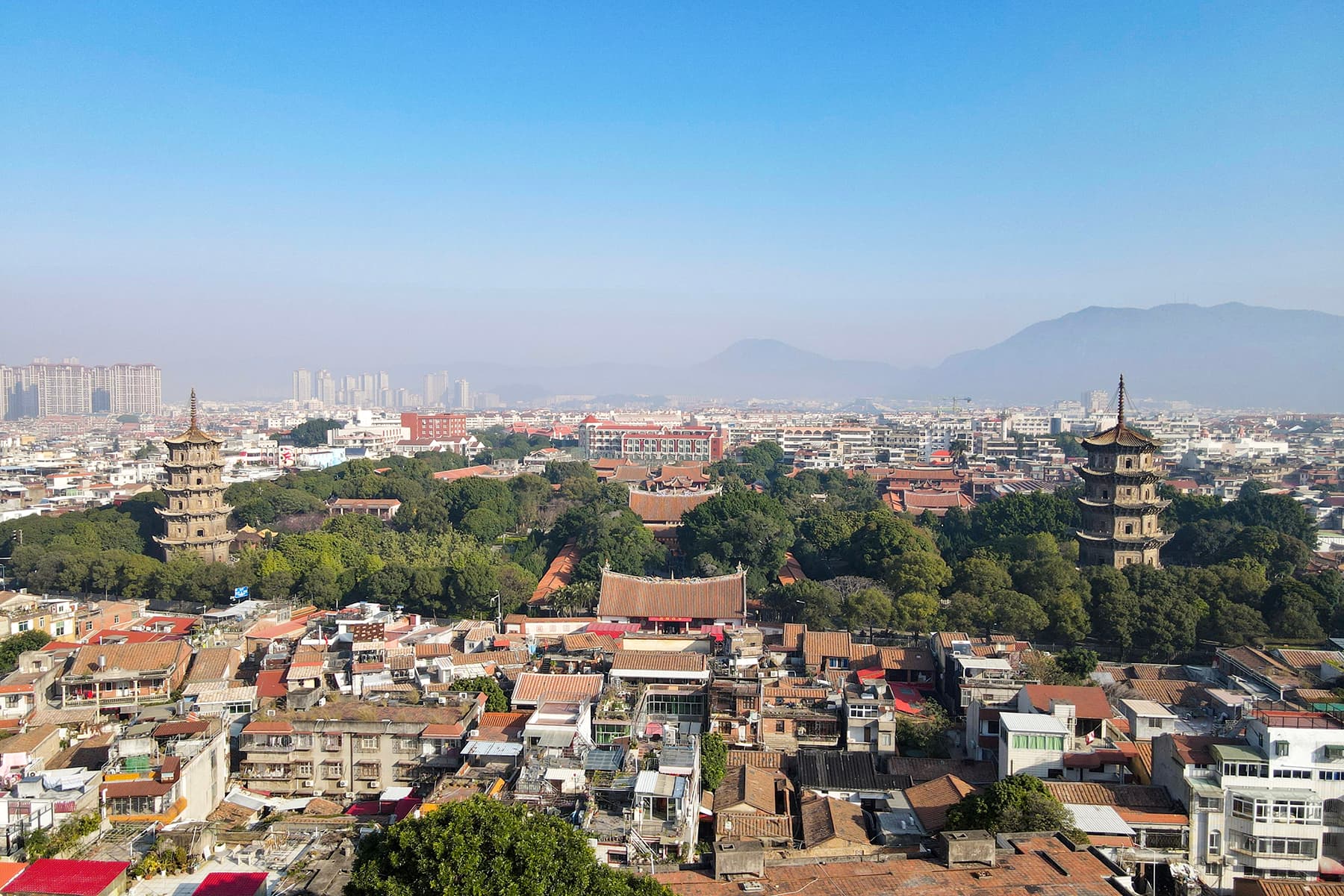
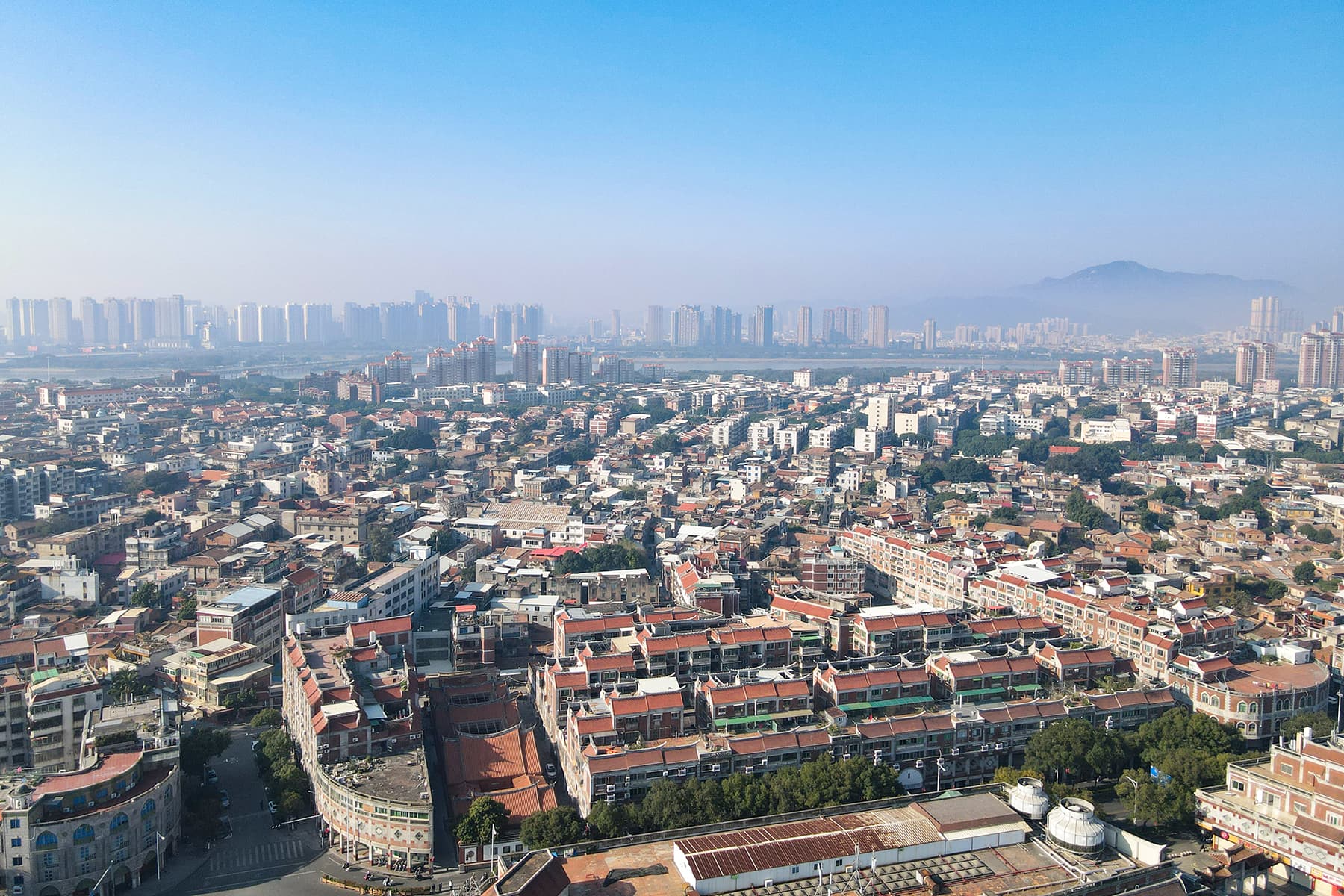
Today, Quanzhou brings together cultural heritage, manufacturing, technology and global supply chains. Temples, factories, old neighbourhoods and contemporary industries coexist within the same urban landscape, creating a distinctive environment for artistic research.
04
Traces
Material evidence remains dispersed across the city: stone infrastructure, religious buildings, ceramic production sites, bridges, streets and coastal edges. These traces are read here as active research material rather than scenery.
05
Southward
From this position, ZSAN seeks to contribute to a more decentralised geography of contemporary art—one that does not begin only from established centres, but from places where local histories, industrial realities and transnational networks intersect.
06
Contemporary Quanzhou
Quanzhou is therefore not simply the location of ZSAN. It is a point of departure.
07
Artistic Research
This context informs ZSAN’s artist residencies, field research and local collaborations. It offers a ground for exhibitions and experimental practices across sound, moving image, installation and other forms that respond to place without illustrating it.
Explore residency →