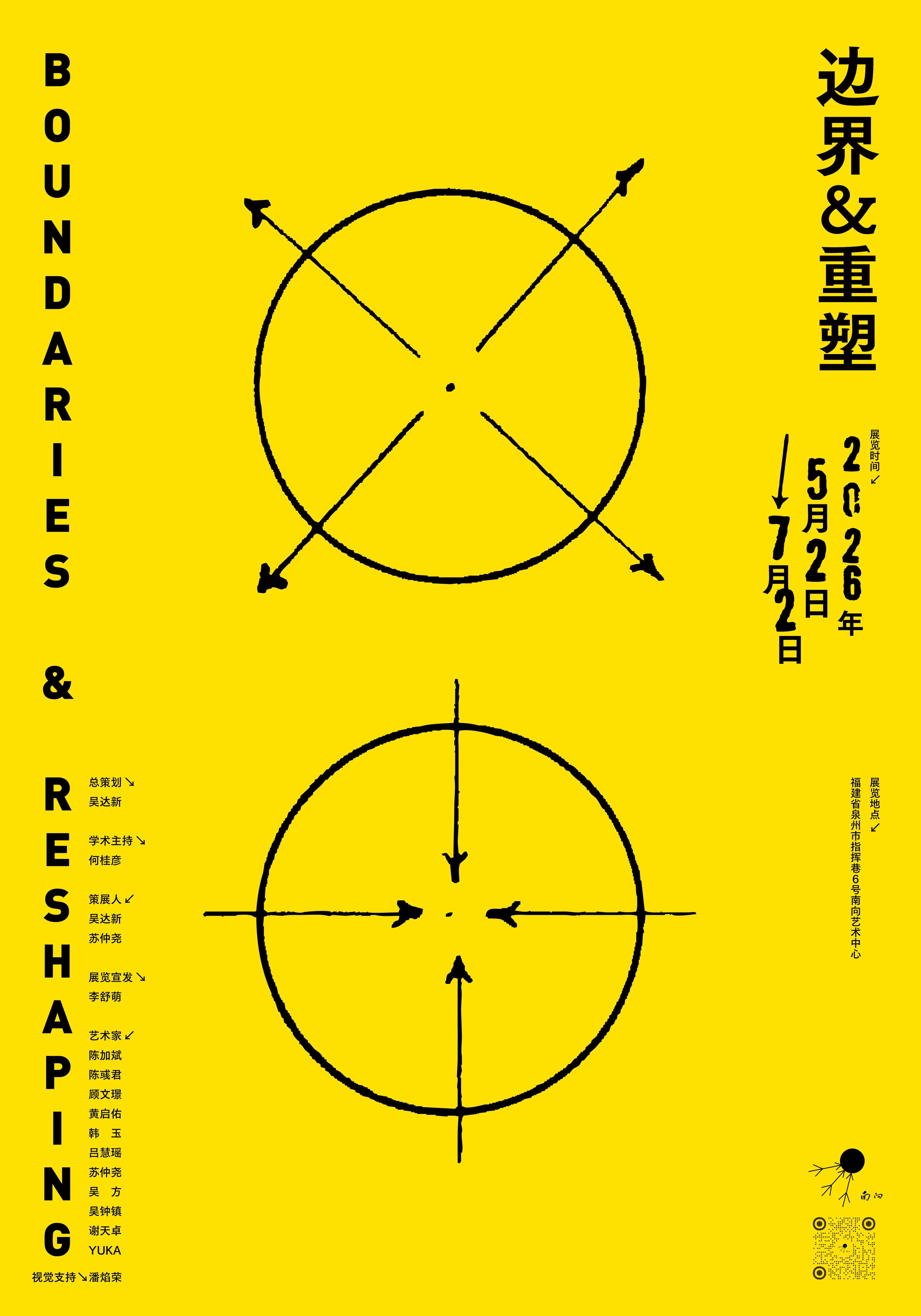
ZSAN’s inaugural exhibition brought together artists from Fujian and beyond, opening the institution’s curatorial programme through questions of borders, identity and transformation.
ZSAN develops residencies and research-based collaborations connecting artists, curators and institutions with Quanzhou’s cultural, industrial and technological environment.
ZSAN begins from a deliberate geographical position. Rather than locating contemporary art once again within an established cultural capital, we choose to work from Quanzhou — a port city historically shaped by movement, exchange and encounters across the sea.
For us, decentralisation is not simply a question of moving away from the centre. It is about questioning where contemporary art can be produced, discussed and connected to the world.
05.2
Beyond the cultural capital
Contemporary art has long been structured around a limited number of cultural capitals. ZSAN proposes another direction: to build international exchange from a place that is not conventionally understood as a centre of contemporary art.
Working from Quanzhou allows us to encounter artistic questions through different social, industrial and cultural realities. Internationalism, in this sense, does not mean reproducing the centre elsewhere. It means creating new routes between places.
05.3
A city in transformation
Quanzhou exists within multiple temporalities at once.
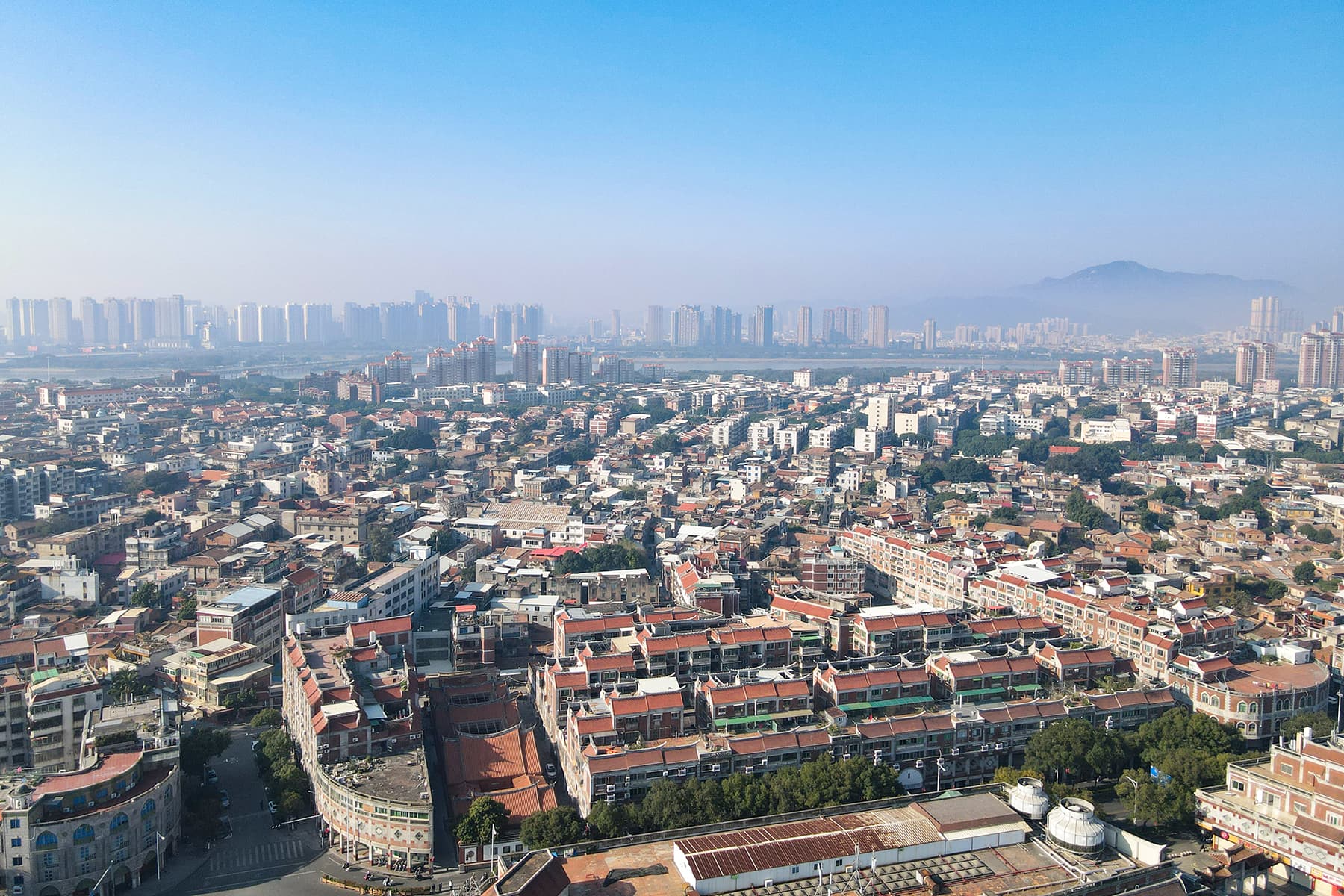
Temples, ancestral architecture and maritime histories coexist with manufacturing networks, digital infrastructures and rapidly evolving technologies. Industrial development, technological transformation and changing forms of everyday life are unfolding simultaneously.
ZSAN approaches this condition not as a contradiction to be resolved, but as a productive space for artistic research: a place where inherited structures and emerging systems continuously encounter one another.
05.4
Looking south
“South” is not only a geographical direction.
From Quanzhou, it becomes a way of reconsidering cultural routes — toward Southeast Asia, maritime networks and other contexts that have often remained peripheral to dominant narratives of contemporary art.
ZSAN understands the local not as the opposite of the international, but as its point of departure.
To be rooted somewhere is also a way of connecting elsewhere.
06 — The space
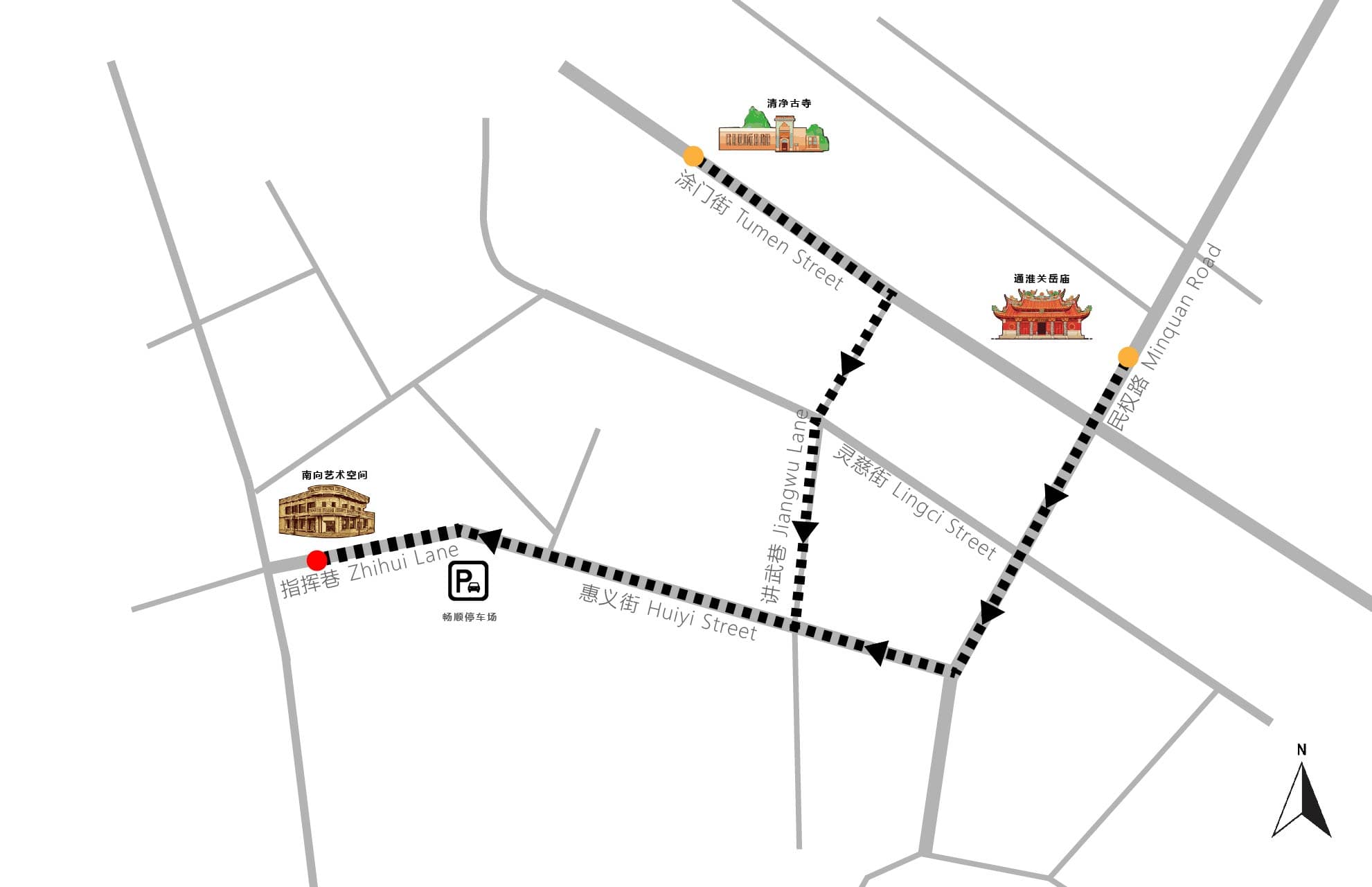
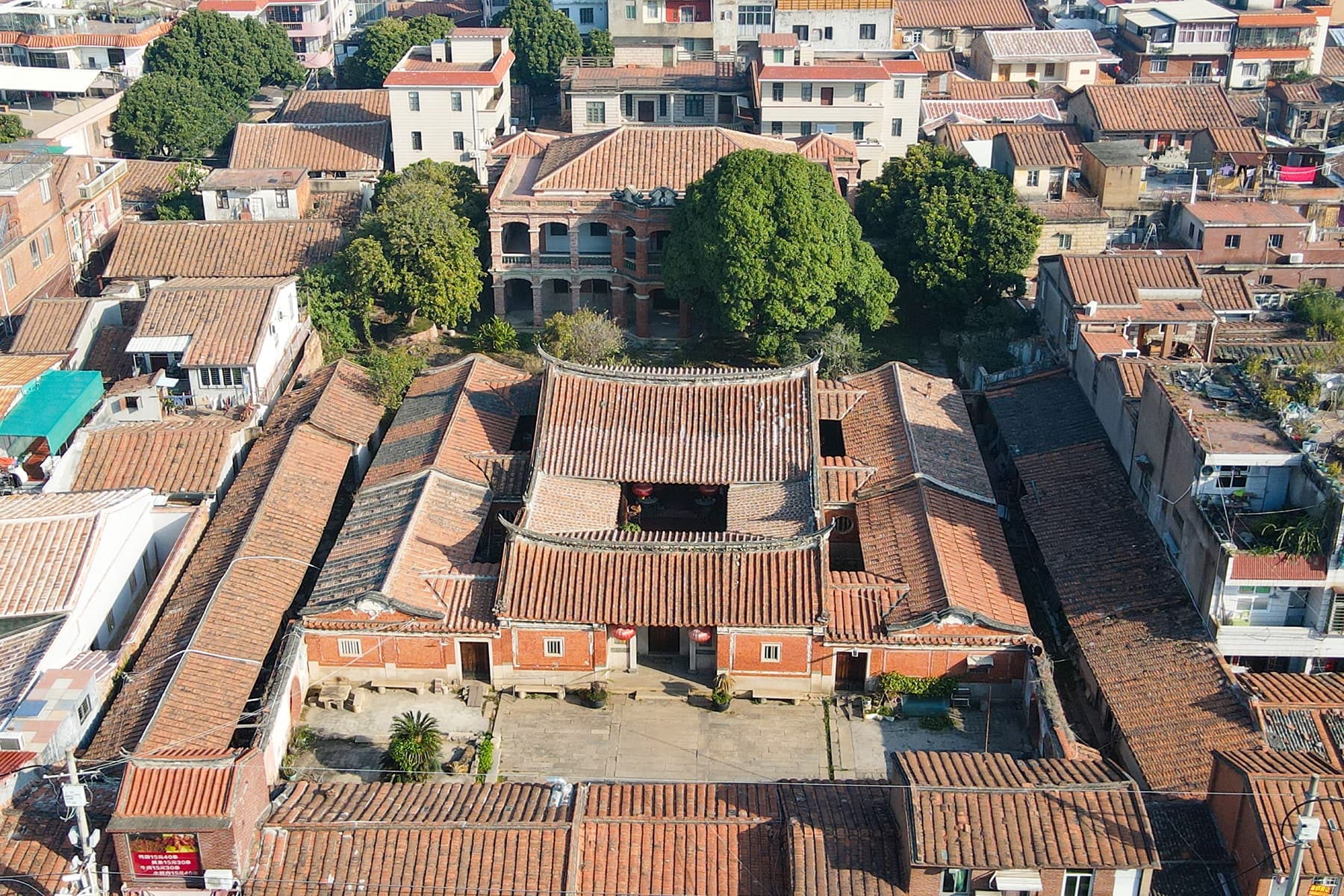
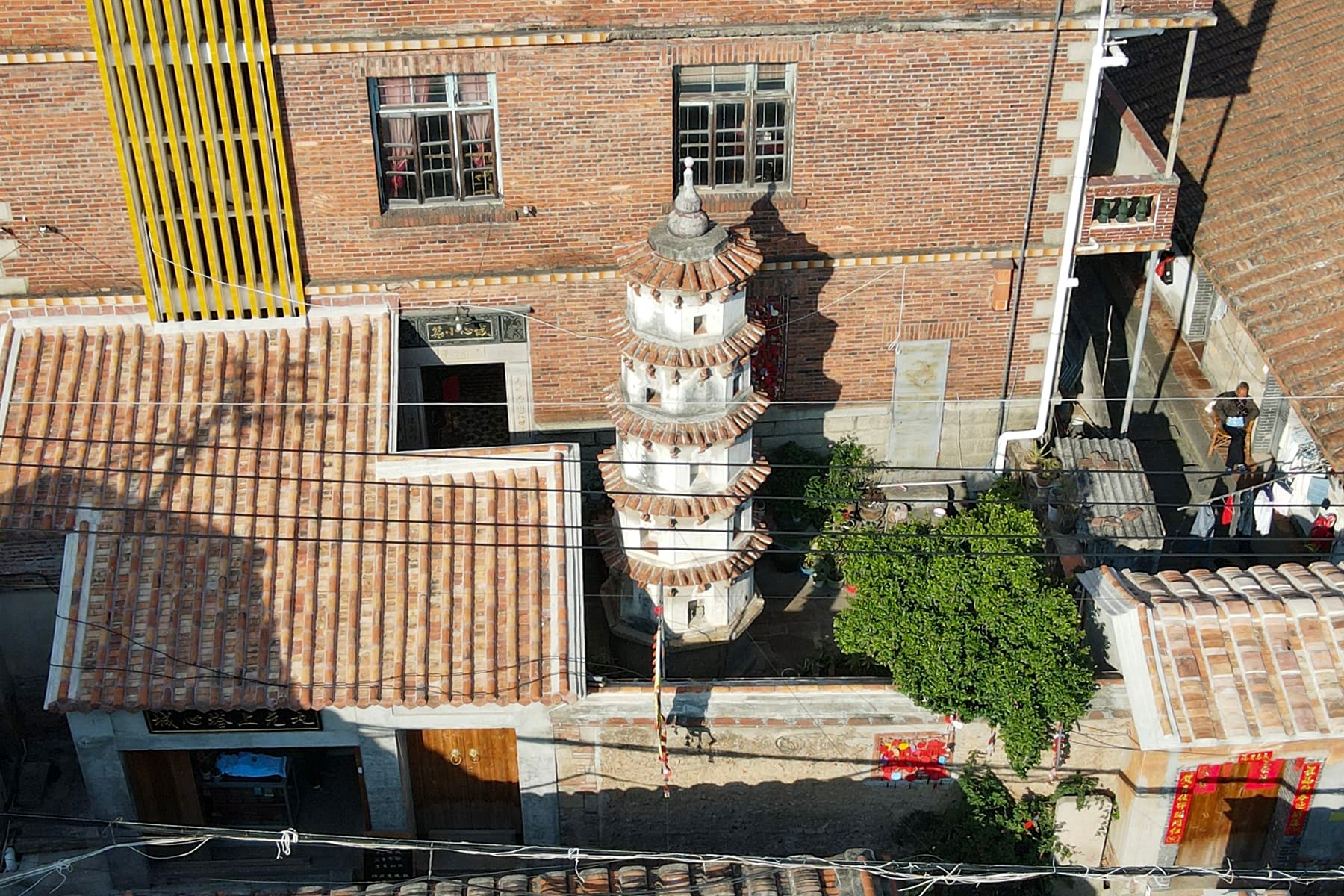
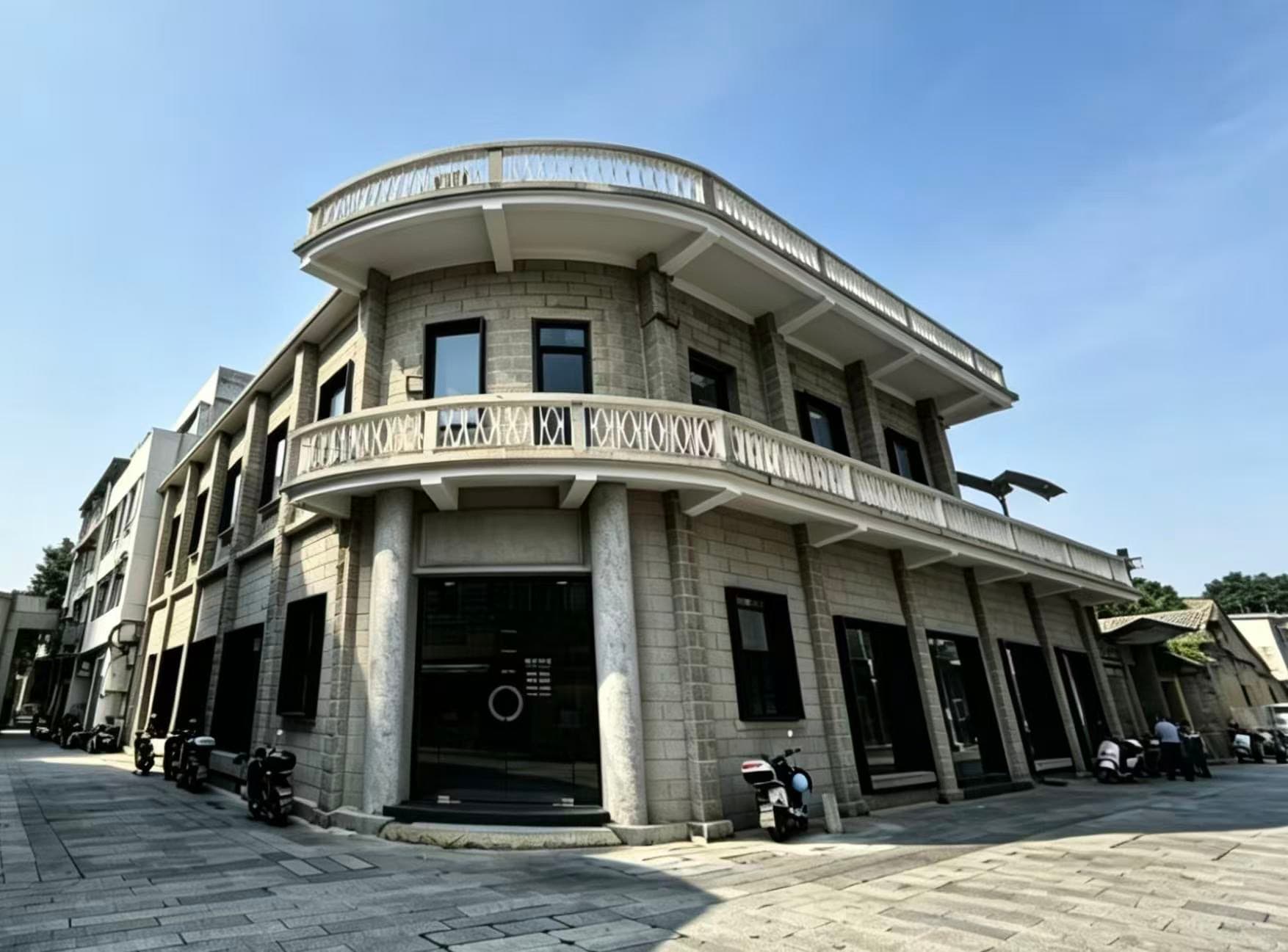
ZSAN ZHIHUI LANE QUANZHOU ANCIENT CITY
A space for exhibition, research and exchange
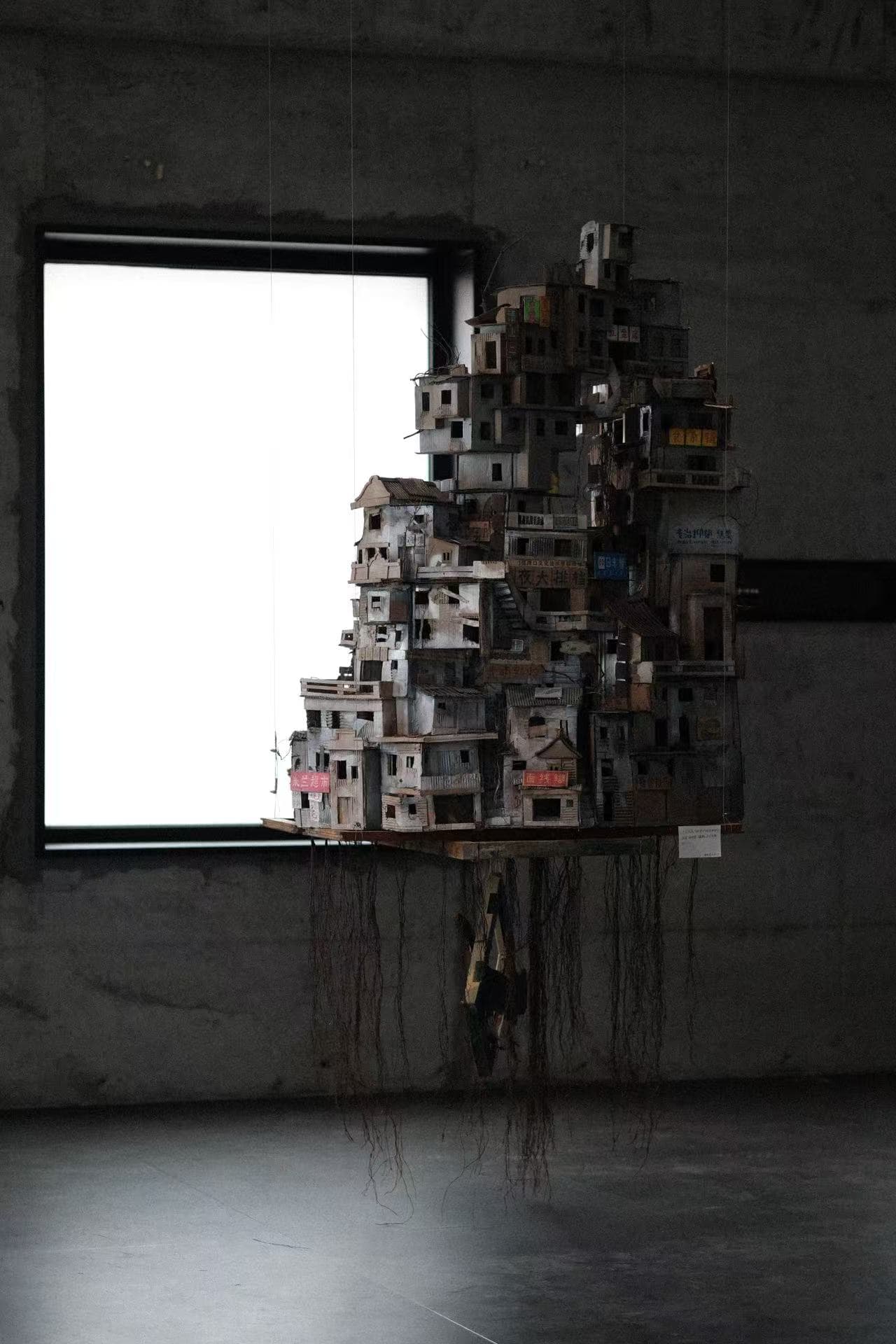
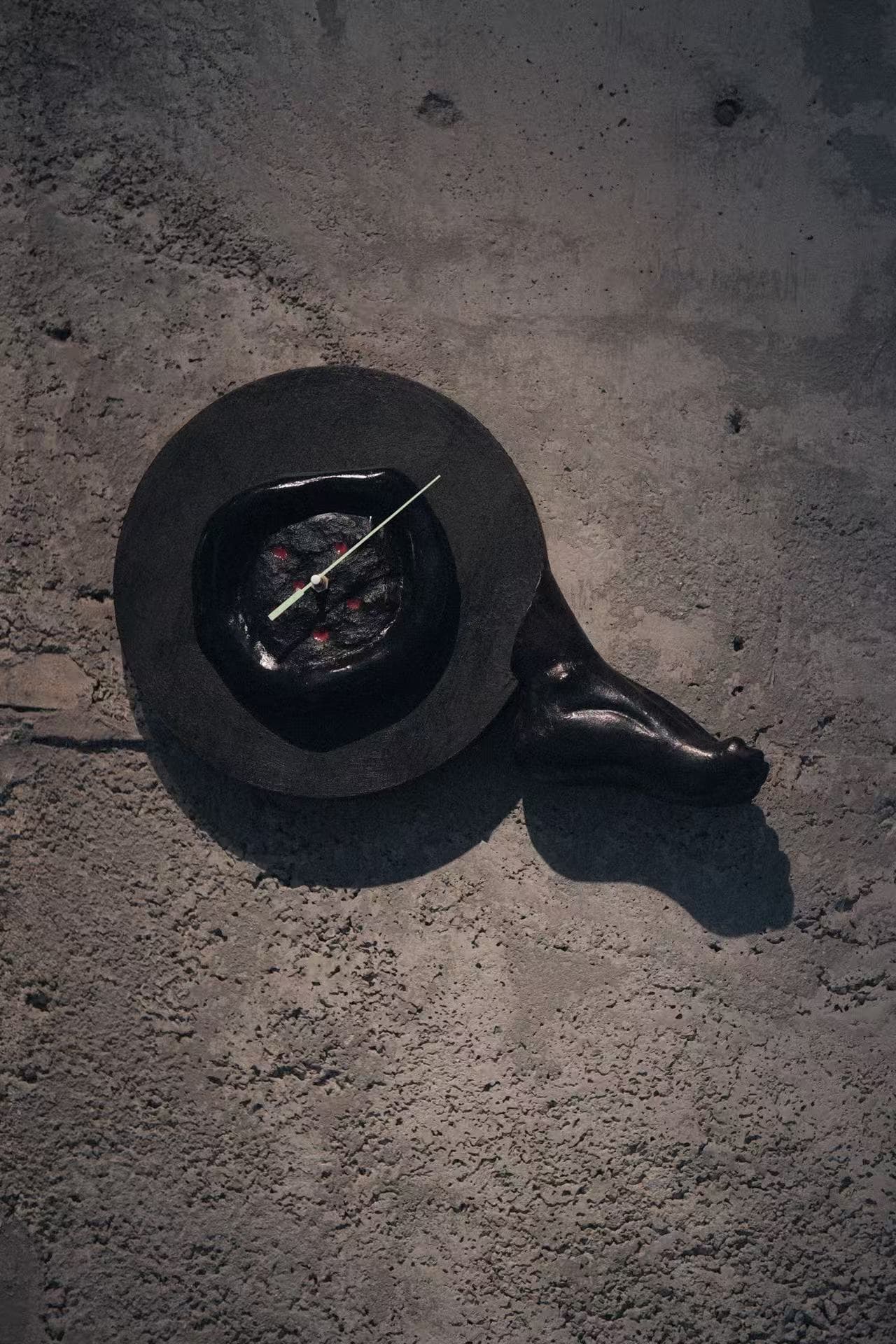
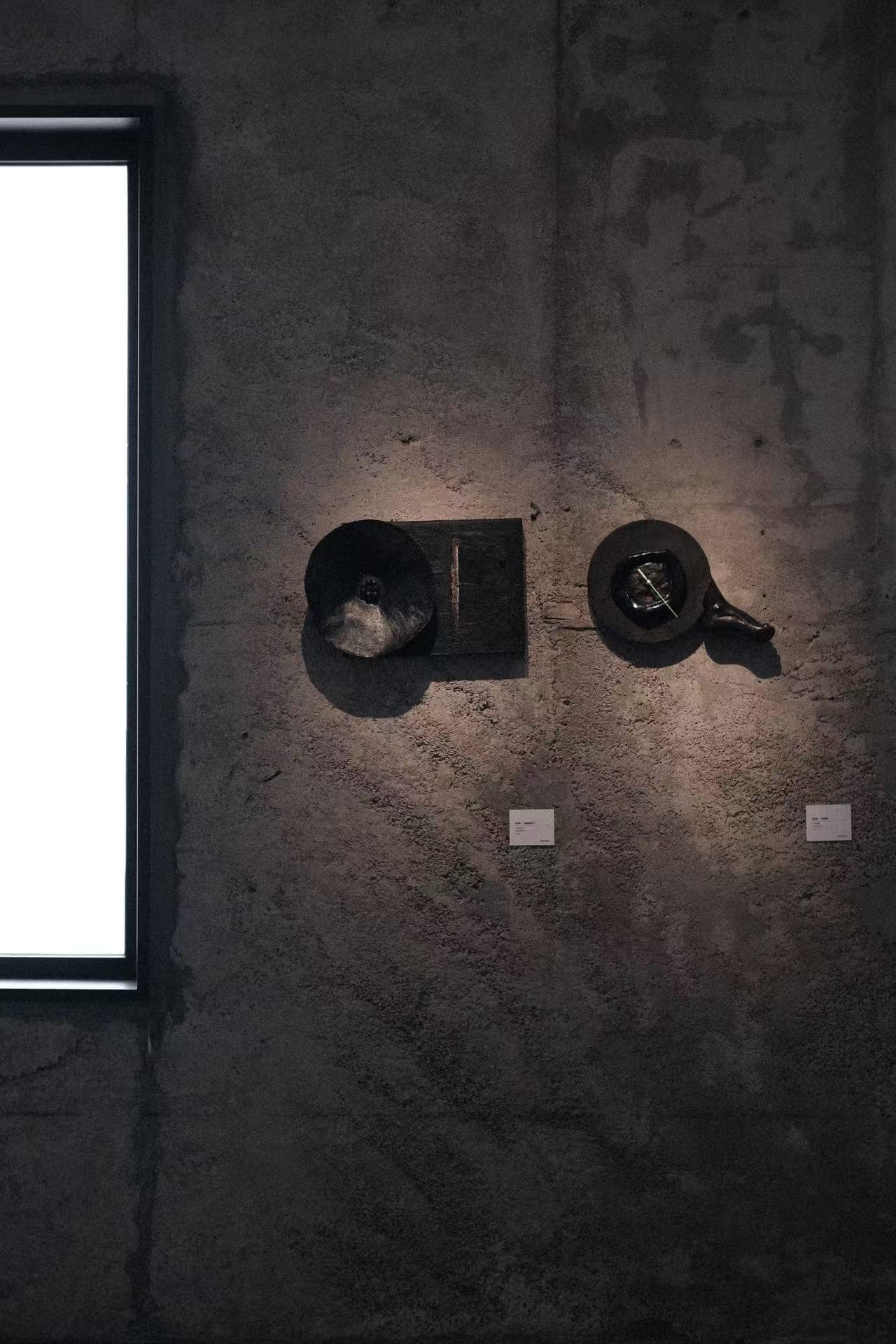
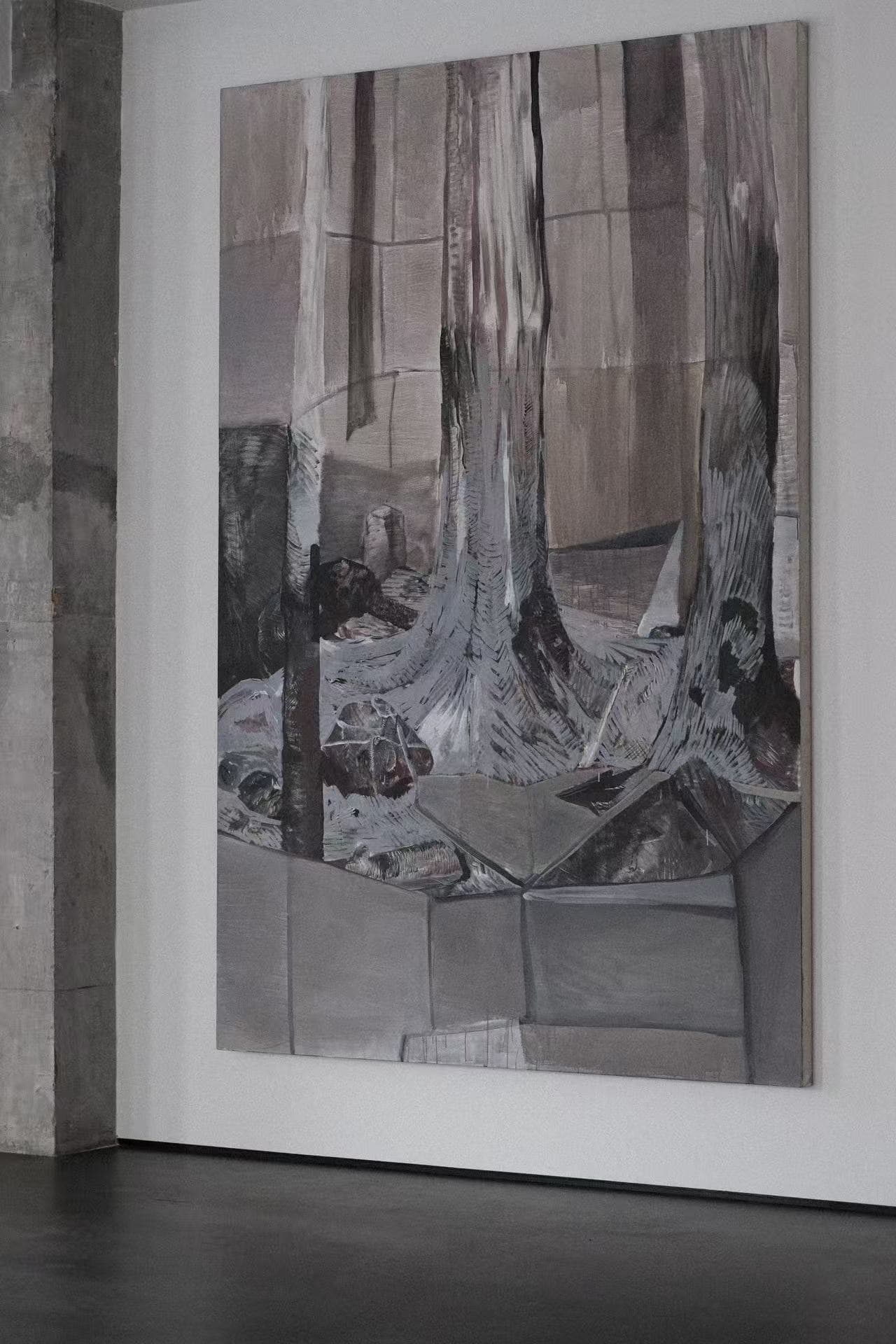
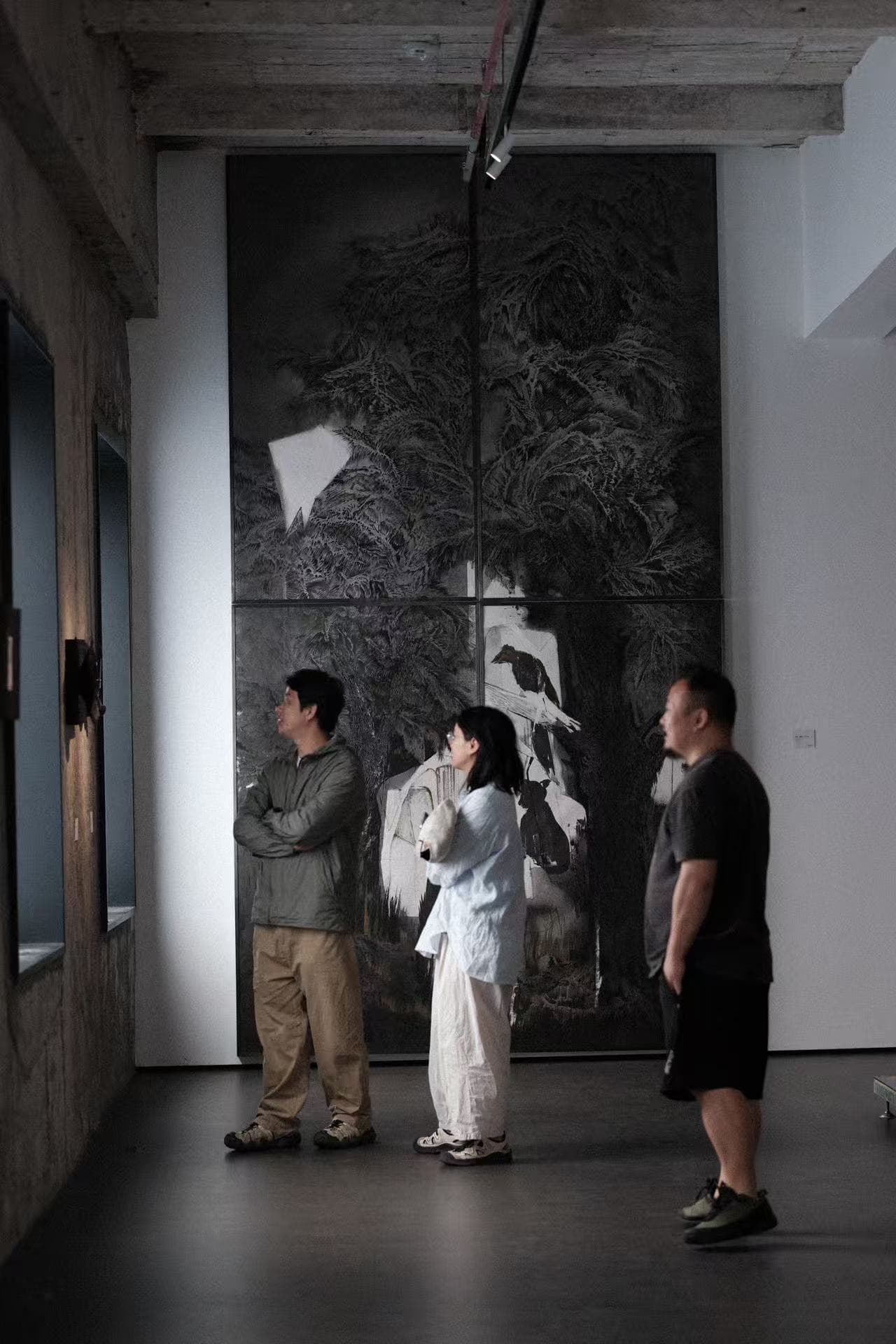
ZSAN brings contemporary artistic practices into dialogue with the architectural and urban fabric of Quanzhou.
.JPG&w=3840&q=75)
.JPG&w=3840&q=75)
.JPG&w=3840&q=75)
.JPG&w=3840&q=75)